
Stories
A day with the horses of Skagafjordur
The Icelandic horse is smaller than you expect and steadier than you'd believe. In the valleys of Skagafjordur, where the breed has been kept pure for a thousand years, we spent a day learning why.
The Icelandic horse is smaller than you expect and steadier than you'd believe. In the valleys of Skagafjordur, where the breed has been kept pure for a thousand years, we spent a day learning why these animals are such a point of national pride.
Our host, a fourth-generation horse farmer, met us at the gate with a flask of coffee and a quiet smile. She matched each of us with a horse based on temperament — ours was a dark bay mare named Drifa who walked like she owned every field in sight. Within ten minutes of setting off, we understood what makes the Icelandic horse different: the tolt, that impossibly smooth gait that feels less like riding and more like gliding.
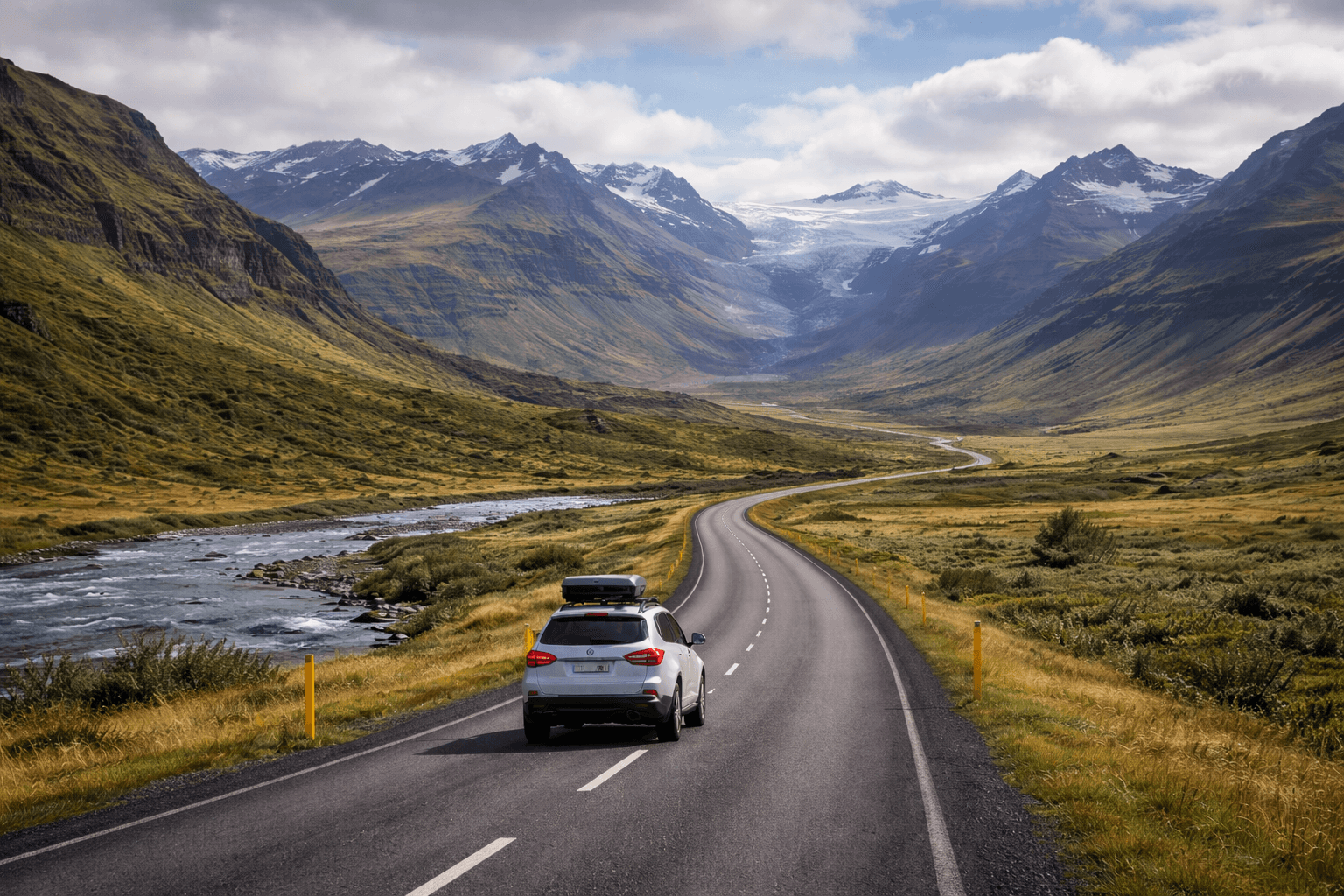
The ride took us along a river valley flanked by low mountains still streaked with snow. We passed turf-roofed farms and stone walls older than most European cities. At one point, our host stopped the group and pointed to a ridge where a dozen wild horses stood watching us, manes blowing sideways in the wind. Nobody, she said, owns those horses. They come and go.
After the ride, we sat in a converted barn drinking skyr smoothies while the horses rolled in a muddy paddock outside. Our host told us that Icelandic law forbids any horse that leaves the country from returning — a rule designed to keep the breed free of disease. It means every Icelandic horse you meet has ancestors that arrived with the Vikings. Sitting there, watching Drifa scratch her neck on a fence post, that didn't feel like a fact. It felt like a promise.